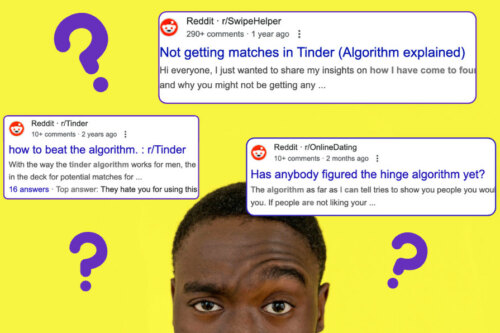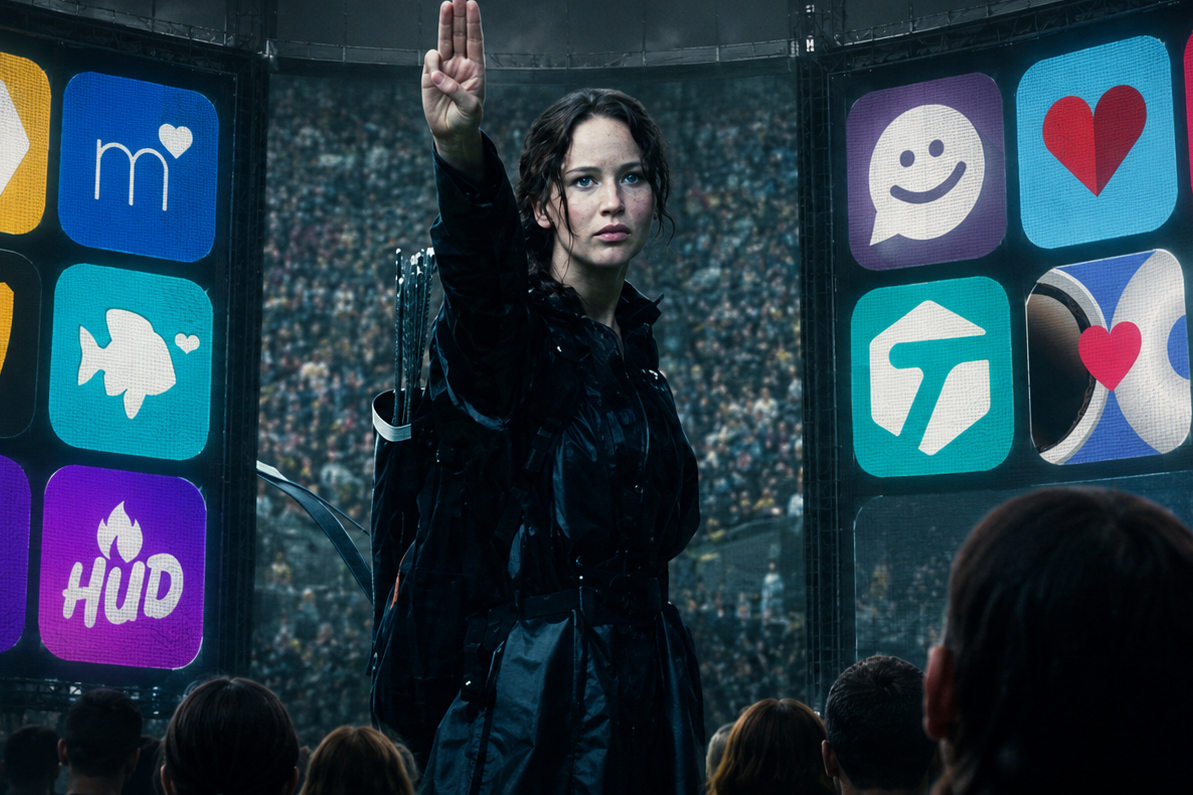
Dating apps can feel like the Hunger Games, except instead of fighting to survive, everyone is trying to make it out with one decent match, one normal conversation, and their self-esteem intact.
Paid features promise more visibility, Reddit is full of algorithm theories, and everyone seems to have a different opinion on whether you should swipe more, swipe less, delete your profile, buy a Rose, or just give up and meet someone at Trader Joe’s.
All these discussions point to a bigger question: what actually works in online dating?
This article breaks down the main dating app questions people are asking right now:
- Which dating apps are still worth using in 2026?
- Should you use multiple apps?
- Are Super Likes, Roses, and paid upgrades worth it?
- How active should you be on dating apps?
- Does using dating apps less get you more likes?
- Does deleting and remaking your profile reset the algorithm?
- Is there any successful strategy for dating apps?
Which Dating Apps Are Still Worth Using in 2026?
The jury of online singles has narrowed it down to the big three, in order of quality:
- Hinge
- Tinder
- Bumble
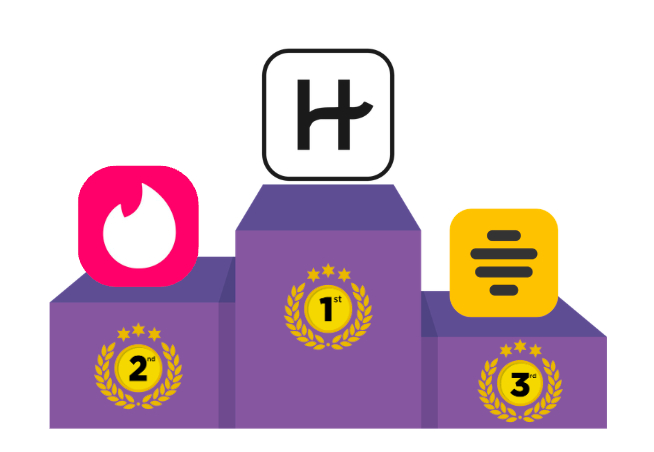
To give a very rough estimate, it seems like in 7 out of 10-ish dating app success stories we see online, the couples met on Hinge.
Tinder is still valuable because it has the numbers. Go anywhere in the USA, even the middle of nowhere, and you’ll still have potential Tinderellas and Tinderfellas.
Bumble is a tough third place, basically an honorable mention, unless you’re a woman who’s ready to message first– then it’s the best app for you.
Should I be on multiple apps, or just focus on one?
A lot of people balance the top three, circulating through them based on the matches they get, and focusing harder on one more than the others.
Tinder will always have the volume. Hinge has the quality. Bumble is just there if you want a Plan C.
The real answer is to be on the number of apps that you can use intentionally, which means you can:
- Swipe without wrecking your self-confidence
- Manage them without growing resentful of the whole dating population
- Give focused, positive attention once the matches start coming in
Which Dating App Features Are Truly Helpful?
Are Super Likes, Roses, and paid upgrades worth it?
Paid features can increase visibility, but they do not magically make your profile more appealing.
A Rose, Super Like, or Boost may get you seen, but once you are seen, your photos, prompts, and overall profile still have to do the work.
Think of paid features like putting your profile on a brighter shelf. It might be helpful, but if the packaging is confusing, blurry, or boring, the shelf placement will not save it.
Paid upgrades are most useful when:
- Your profile is already strong
- You are in a competitive location
- You are using them selectively
- You are not relying on them as your entire strategy
They are least useful when your profile needs work.
Apps and Profile Strategy
How active should I be on the apps?
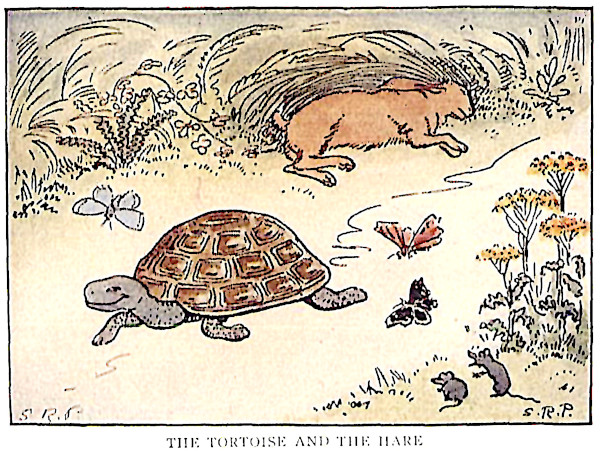
Do dating app marathoners get more matches than people who check in here and there? Where is the green zone?
Dating app scientists say you should spend a max of an hour on dating apps per day. And that time should be when you’re paying attention and feeling good about yourself. Think about it the same way as you would going out to a bar or a meetup– if you feel good, you’re already going to lead with much better energy, and have an overall more positive experience.
Spending more time swiping does not automatically mean you’ll get better matches. In fact, overdoing it can lead to swipe fatigue, burnout, and lower-quality decisions. When you’re tired, bored, or frustrated, you’re probably not making your best choices anyway.
A better approach is to use the apps when you’re alert, in a good mood, and actually open to talking to people.
Is less, more?
There are some looming superstitions that by interacting with the app less, you actually get more likes. Could it be?
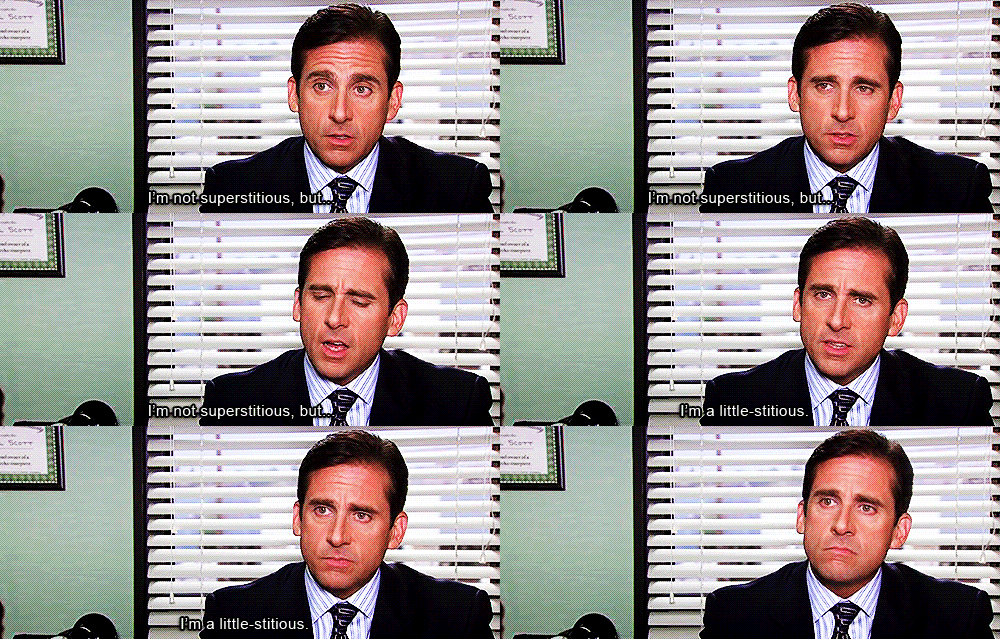
Here’s what people on Reddit are saying:
“I find that I get the most likes when I haven’t swiped all day, so do I just stop swiping altogether? Seems counterproductive but is currently kind of working.”
“When I stop using it as often, that’s when I start getting a bunch of likes.”
“Yeah that seems to be the case for me for some reason. If I swipe through a bunch I get no likes that day but if I’m busy the next day I open the app to a bunch in the beeline. It’s weird.”
Others report no significant difference:
“I notice no difference. I can be on every hour of the day or take an entire week off, I won’t see a single like in the beeline.”
The more realistic answer is that “a lot” depends on how you experience the likes, not just how many you get. Five likes in a day might not sound like much if you’re checking constantly, because each one feels spaced out and underwhelming. But if you close the app and come back later, those same five likes feel like momentum.
Does deleting and remaking your profile reset the algorithm?
Some users believe deleting and remaking your profile gives you a “new user boost,” while others think apps penalize people who constantly restart. The truth is more complicated than a simple yes or no.
Redditors report being shadowbanned if they delete and remake a Hinge account within 3 months with the same phone number. It seems like the same vibe for Tinder. Bumble is unclear, but we’d assume it’s similar.
A reset might temporarily change how your profile is shown, but it probably won’t solve the bigger issue if your photos, bio, and prompts aren’t attracting matches.
So, Is There Such a Thing as a Successful Dating App Strategy?
Yes, but it’s probably less mysterious than most people want it to be.
The best dating app strategy is building a profile that gives people a clear, honest, appealing reason to match with you, and then using the apps in a way that doesn’t make you hate dating.
Truthfully, the fundamentals have not changed that much.
Use good photos. Write specific prompts. Send thoughtful likes. Don’t over-swipe. And, don’t interpret every app behavior as a personal referendum on your worth.
At the end of the day, a strong profile on the right app will usually beat a mediocre profile spread across five apps. So before you blame the algorithm, make sure your photos are actually helping your odds and test them on Photofeeler!